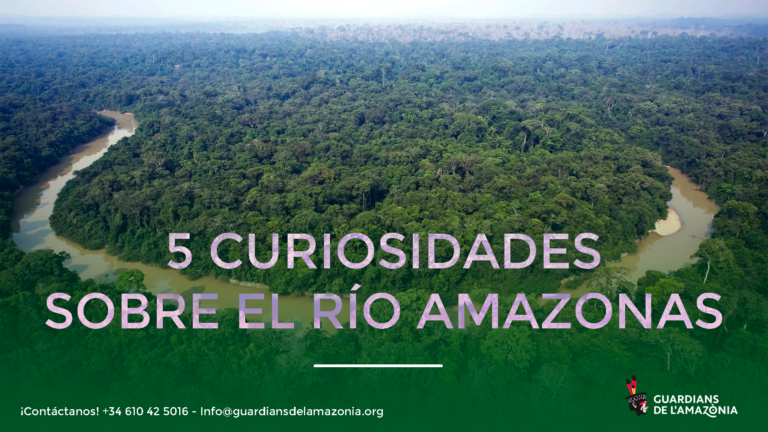
The Amazon region is currently considered the most biodiverse place in the world, which gives it a unique and invaluable status as the primary source of biological life and as a vital ecosystem—not only for the surrounding areas but for the entire world. However, just as the Amazon stands out for its natural grandeur among those who recognize its irreplaceable value, there are also those who seek to profit from the Amazon at any cost, regardless of future consequences.
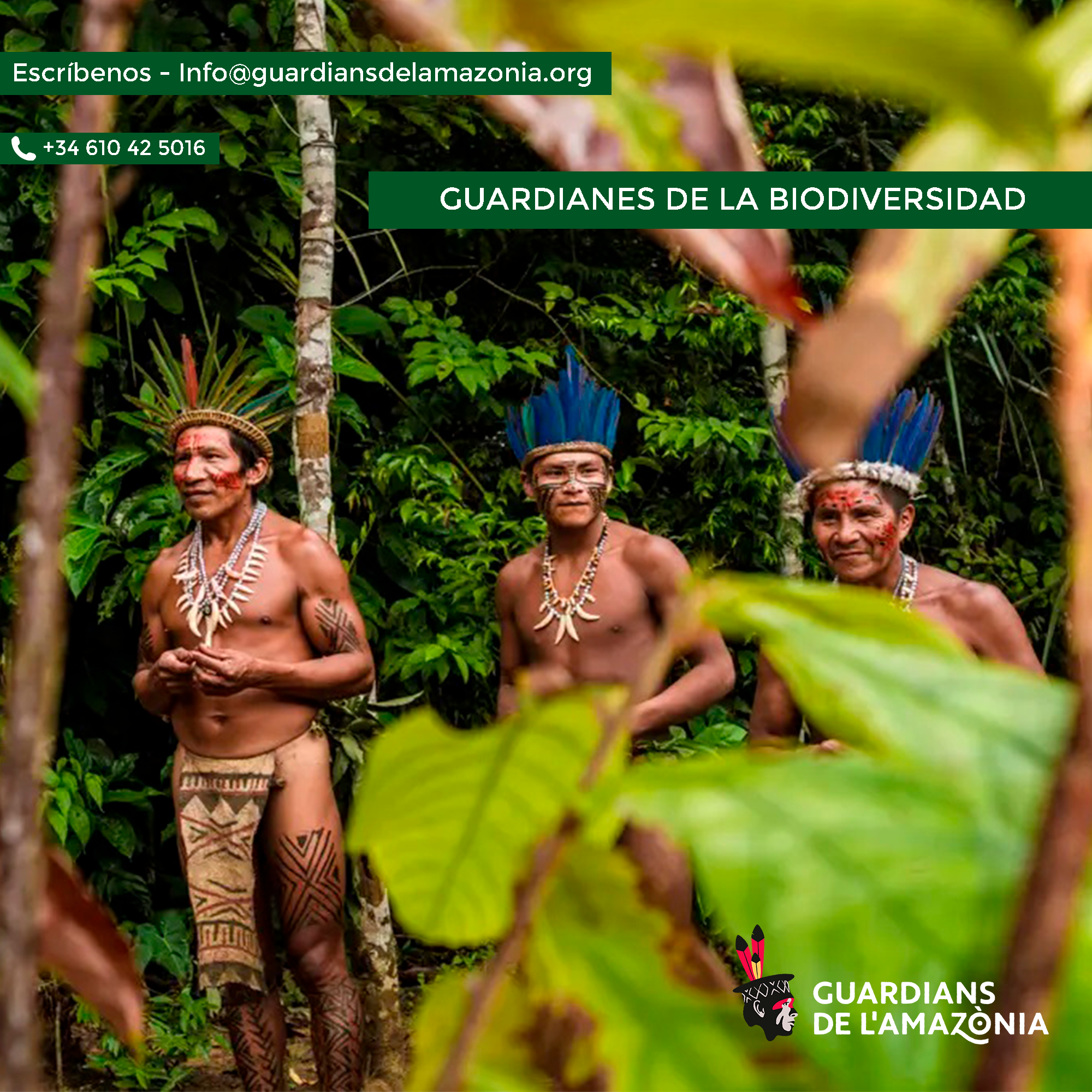
Ethnic groups such as the Puyanawa, Ashaninka, Huni Kuin, Yaminawá, Katukina, Pano, and Nukini are native and long-standing defenders of their environment—their space and their home. Their efforts to protect, conserve, and preserve have succeeded in preventing many discriminatory acts against the region’s diverse flora and fauna from being committed in the Amazon. The ecosystem of the entire Amazon region spans countries such as Brazil, Peru, Bolivia, Colombia, Ecuador, Guyana, Suriname, and Venezuela, and accounts for approximately 5% of the world’s land area; undoubtedly, any damage directed at the Amazon would have direct consequences for the entire planet. It is estimated that deforestation and the illegal exploitation of the Amazon’s natural resources have contributed 1°C to the Earth’s current temperature, serving as a primary driver of climate change and global warming.
The work that Guardians of the Amazon is carrying out is closely tied to the preservation of the cultural and historical values of indigenous groups, but of course, it is also about preserving life and biodiversity in all their dimensions; Guardians of the Amazon is a staunch defender of nature and all its global benefits.