
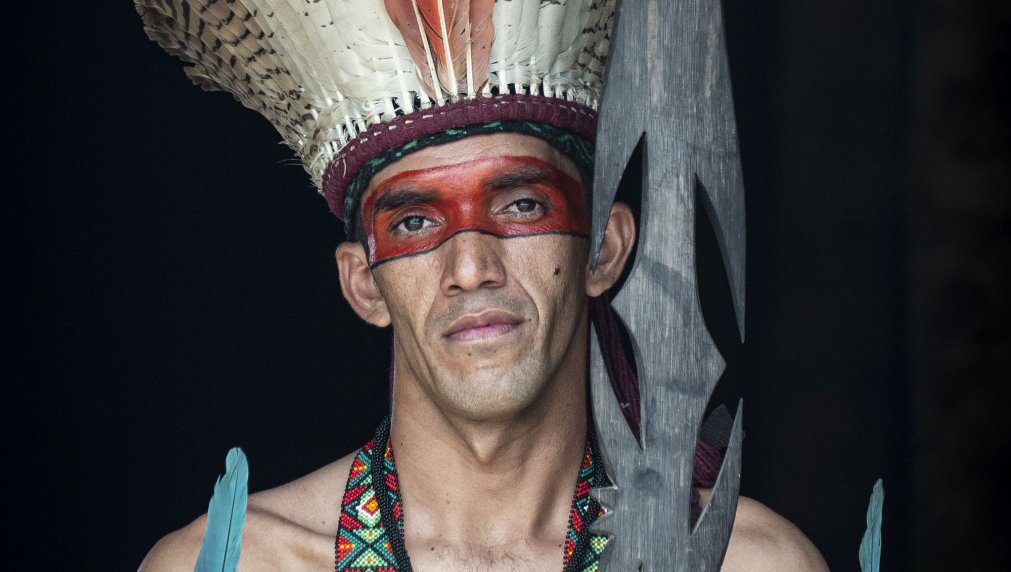
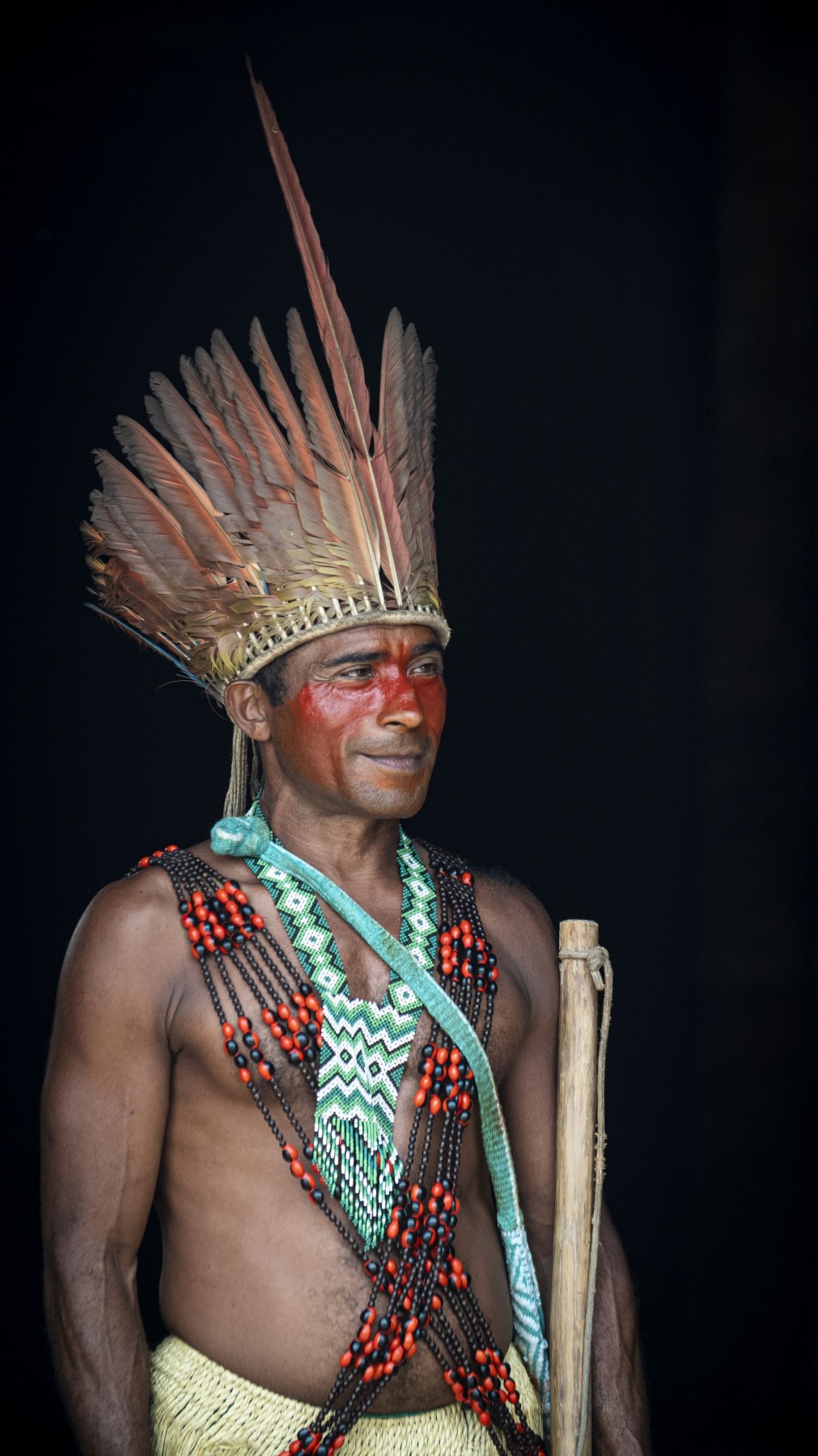
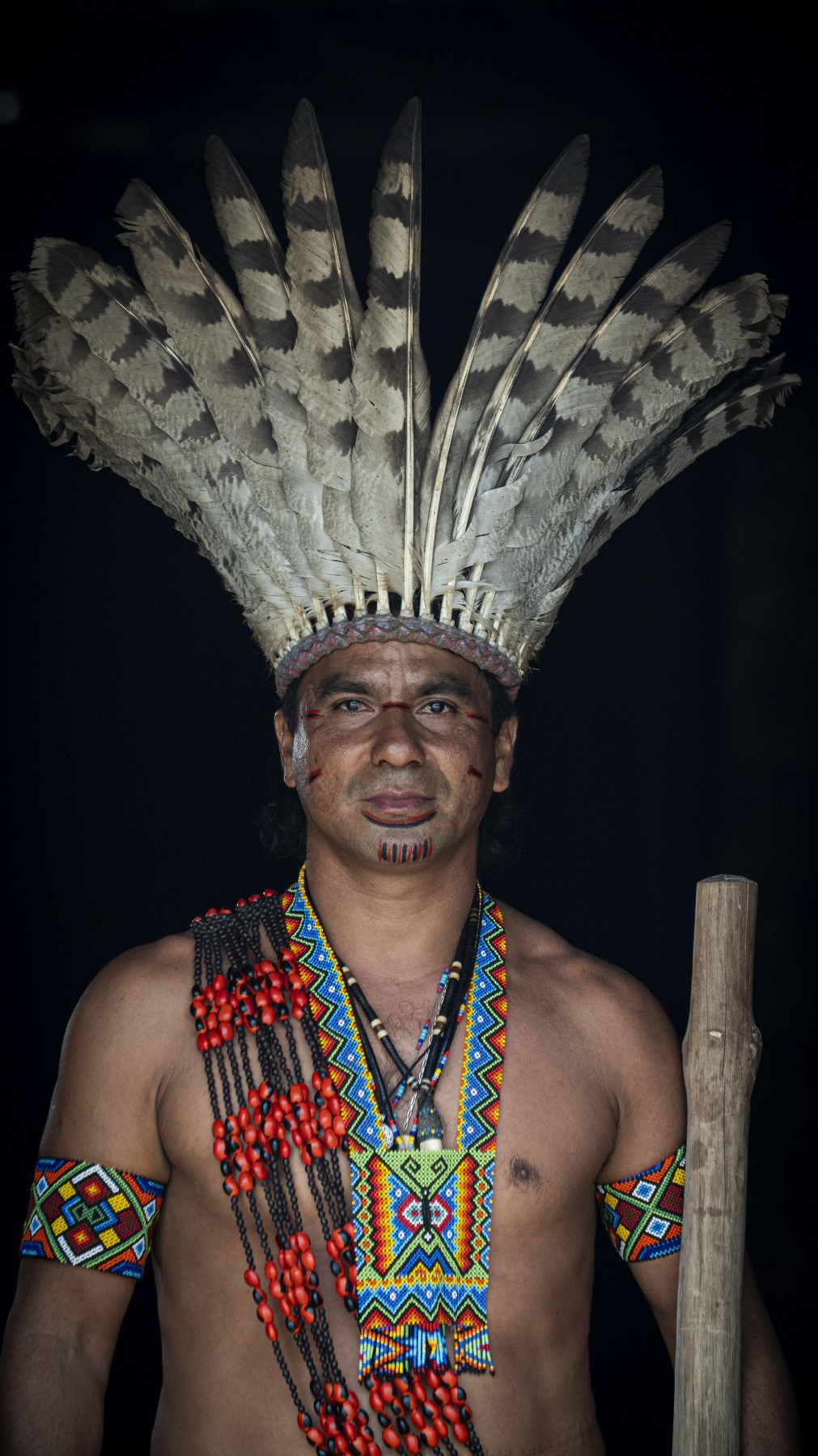
An interview with Puwe Puyanawa, el spiritual líder de Puyanawa tribe in Brazil
In mid-february of this year, I spent 2 weeks in the Puyanawa tribe's village in the Amazon jungle. I learned about differentness. I learned to listen, to look, to live, to understand. And also to simply be quiet. I took part in rituals and learned humility. Llegeixo que la permissió s'ha de fer per a tothom, fins a les ribes, plants i insectes. A més a més, llegiu que la racionalitat és relativa i que no s'ha canviat en single moment – la seva posició de monsó cloud arriba o d'uns tros de blinding de les Andes Mountains. Això és justament quan es tracta, i una must adaptada a la mateixa.
Per a moltes altres indigenous tribes en el brasil's estat de Acre, vida per a Puyanawa tribe change completely en el 20th century early as result of the-called “rubber barons”, que beguen taking nad Indian lands and resources with any regard for the people already. Les seves primeres atencions es mouen entre indigenous inhabitants i tocaven already el 1901, entre el líder de Colonel Mâncio Lima. Les expedicions tracten el local Indians per eleven days però eren unable per localitzar les seves settlements, només signes de la seva recent presència. The Puyanawa tribe successfully evaded Mâncio Lima's henchmen for ten years. El 1911, however, the colonisers found the tribe, and the massacre began. Some de les Indianes managed to flee, quan la resta són forcibly Christianised and enslaved on the rubber plantations. Tot això es refusarà a la feina oa unible una opció per adaptar-se al sistema de treball, per a quilar. Many more succumbed to previously unknown diseases introduït by the colonisers, mainly measles. The Puyanawa tribe's traditions estarà banned a conscious effort a weed out any sign of their culture.
It's finally time that we wake up and realise that all of us - men, women, children - are part of the Big Forest.
El tribe era relocated de les seves terres històrica a Mâncio Lima's plantació estate, Barão del Rio Branco on les banques de la Moa River. The Indians refer to the years from 1915 until 1950 as the “period of captivity”. Els colonisers separats els infants de les dones, s les persones sent la feina en la terra plantacions mentre les women eren assignades a l'agricultural labour. The Puyanawa s'ha fet slaves sense rights – totes les seves ciutats s'han fet a través de la seva, i per a la seva tasca les tindran només un food i unes quantes peces de clothing. Les forest, les quals han onze són els homes i el seu lloc de les seves tradicions, estant vestits per endreçar-se per fer sugarcane plantacions i farmacèutica. Their small jungle paths were turned into “rubber roads”. Their language, which they call ûdikuî , or 'the true language', was banned, and anyone caught trying to speak it was punished. Only the Portuguese language was taught in the schools.
The tribe was finally freed from slavery after Mâncio Lima's death el 1950. By that time, however, its self-confidence had been hopelessly undermined. The Puyanawa ha de fer Christians que estaven fora de la seva Indianness. They were ashamed of their roots. By the 1980s, only the oldest members of the tribe knew how to make bows and arrows and paint their bodies according to their ancient customs. They had also elst their ancient knowledge o plantes and their medicinal properties als well als ayahuasca, el sagrat ritual drink at the heart of indigenous Amazonian spiritual culture.
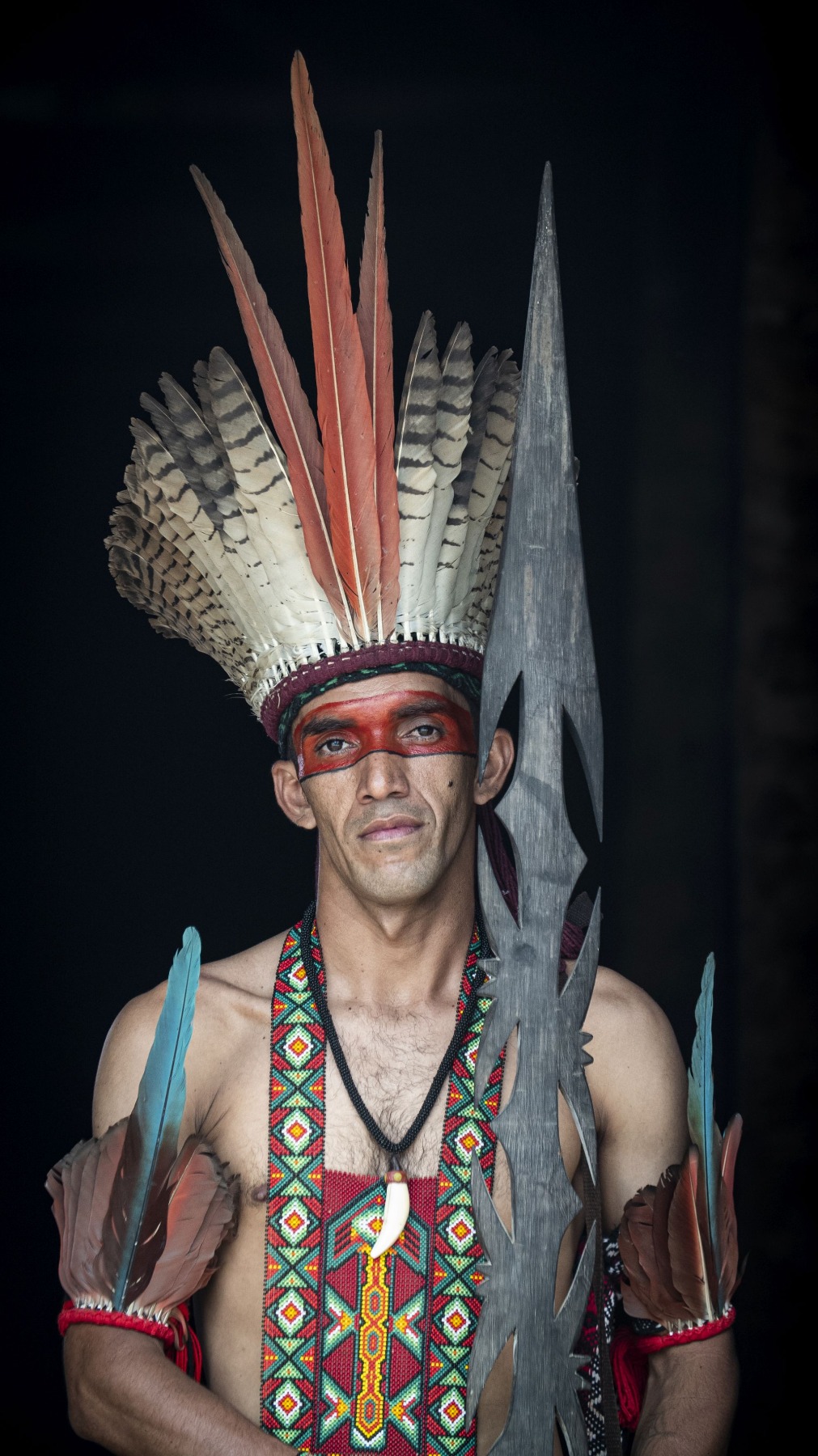
El Puyanawa tribe's rebirth began només en els 1990s, quan aquests finalment succeeded en demarcació de seu territori, els legitimising it i closing it en hunters, loggers i altres “uninvited guests”. Aquest act symbolicalment marqui the official rebirth of the tribe. However, només twelve of the 385 membres del tribe at el temps és possible per a la seva última Puyanawa language. Tot i això, la llengua has de completar-se bé brought back to life, per sobre de les tribe's antiga tradicions. There is still Christian church in the village, but it has largely fallen silent. Unlike the ritual cerimònies on Saturdays. The formar priest – a Puyanawa tribal chief and political leader – has renounced Christianity i és ara un controlador cultural processes en el tribe. He inspirat la directiva de la gestió per ayahuasca, que s'hi afegeixi que és una altra path per al tribe's survival and future.
Mythological drink, que acomiada l'estatus contradictory (aiahuasca contains DMT, el llucinogenic substance dimethyltryptamine, que ha estat en el llistat de ilegal substances sense el 1960s; moments de la nostra birth i death) és també becoming ever more popular in the Western world, returned a la tribe's lifeblood more than 20 years ago. Els nens i les dones participen en la preparació d'ayahuasca, s les persones heading in jungle to collect a un bon geni, aleshores les dones gather leaves de la chacruna tree. Les boiling process begins at around three in the morning. First, vines stems són broken up with wooden hammers, i t's n'ai vai llit en water for 8 hours together s la chacruna leaves. Just a no dues stromes en els forests són alikes, les batxes de ayahuasca i els efectes són slightly different. Sometimes it inhabits and grounds the body; other times it might carry a persona on unexpected flights of visions. Ayahuasca és thread que has helped el Puyanawa tribe renew its historical traditions, its language, its symbols, its drawings and artwork. And it is a part of their daily life. Tribal hunters do no go into del rainforest sense ayahuasca, i el drink es fa servir per a recovery ancient songs.
Puwe Puyanawa, el tribe's spiritual leader, i el wife, Vari Puyanawa, ha played an important role in driving el tribe's process of rebirth. Since 2013, havent in essència become enviament de sorts per al tribe i algun tràveling a Europa, Puwe ha put el Puyanawa's story en el global cultural map. He also participat en els Indigenous Peoples and Climate Change conference in Paris that was organised by UNESCO el 2015, que, a l'audiència de 40,000 polítics i diversos experts, zvýraznila stupne de planetari irresponsibility and damage businesses i drug trafficking. A documentary film made in collaboration with the Puyanawa tribe is currently in the works. Titled Sacred Land Peyabakebu Puyanawa , it follows 120 years of the tribe's history. Jeden z nich je umožnit story of Puyanawa tribe a address fate of the all the indigenous tribes in the Amazon as well as the raise awareness about and advance the low and difficult process of the Puyanawa going through to regain all of.
Puwe Puyanawa és unusually tall per a Amazon Indian, però aquest és també said of his entire tribe. In everyday life and conversation he is a very sincere and down-to-earth man. However, his character changes completely during rituals. Decked out in traditional wellness and ornaments, he takes on stateliness that és difficult to descriu in words, i when he sings les ancient songs, his voice reverberates s such power that he sems to sing with his whole body. Aquesta conversació agrada de la plaça a les estretes fins a la llarga cerimonial espai a la vila de Puyanawa, al portuguès language (per a la interpretació), i a la vista de voices i de les imatges produïdes per a tots els visibles i invisible inhabitants de rainfores.
Heu grew up in a completely different world. What was the turning point for you? A what point did you decideix a return a les nostres tradicions, i what was your motivation al so?
I spent a part of my life as José Luís – my Christian name – but now I'm one of my tribe's leaders. A political, religious and cultural leader. I'malso a musician, together with my wife, Vari, and our two daughters. I'm forty years old now, and I was born and grew up in this village. Però has de veure close link amb el rainforest ever since que és a un nen. Per a que tingueu accés al lloc com aquest, vostè start learning i early about how to live and get along with nature. I don't even want to talk very molt sobre la història de la meva tribe, because it's a història de suffering. It's a story sobre com ens han fet totes les nostres tradicions, el nostre cultural heritage. One hundred twenty years ago we were completely prohibit from practising our tribe's culture. All of the values related to our culture were rejected and denied. Our way of life was violently altered.
I'm biologist by training, i també els treballs a teacher right now. La meva família és un èxit en el nostre tribe, i és on només recentment que el nostre tribe has experimentat realment els grans canvis again, havent managed to renew a llarga part de les nostres historicals traditions. Tothom està recollit en Brazil i també everywhere in the world as the Puyanawa tribe. El Maig 17 it will be exactly twenty years since we began el nostre battle per regain el seu historical lands. In all, we have 44,000 hectars of land, but we still haven't regained all of it. Some les teves remaines en privats hands, i, en ordre de regadiu, el país, estant a l'abast de les existències companys – per a aproximadament el milió de Brazilian reais.
Right now, we have 670 members en el Puyanawa tribe, però tots els llocs on viuen en aquest village. Hi ha un lots of altres Puyanawa people living elsewhere. When the colonisers envaït, 120 anys, some of our ancestors managed to escape, and they never again returned to their ancestral lands. Altogether, we are 150 families today – spread across two tribes.
When I wa seventeen years old, I realised that I really wanted to try drinking ayahuasca, to feel the power of this ancient medicine and to gain knowledge. Per als seus antecedents, el ritual ayahuasca és una part integral de les seves cultures spirituals, però quan el tribe és relocated en aquest àrea, la pràctica és categorically banned. Between 1995 and 2000 we intensely tříd contacte amb altres tribes i aleshores s'agafa el vostre regatge this knowledge. Actually, this process had begun already in the late 1970s, when shamans from other tribes – pagès from the Asháninca, Huni Kuin and Yawanawa tribes – visites la nostra village en les seves journeys i helped per plantejar seed of this ancient knowledge in us again. I estill només per a molta gent de la casa, però quan s'ha guanyat interès en ell, em mostren troubled per a la factura que els nostres líders en el temps did no tenen any d'aquest coneixements. Yes, some of them knew about ayahuasca, però they didn't want to talk about it, because they belonged to the Christian faith, which had banned the practice. In the beginning, we didn't have enough knowledge o making ayahuasca, either, and we made a lot of mistakes. The Asháninca i altres tribes proveïts a lot of help to us in renewing this tradition, as doneu d'altres grups que prepara i drink ayahuasca, such as el Sant Daime and UDV. Although, it took five years from the moment that we began making and using it again to truly awaken our ancestral spirit, which had almost completely fallen asleep.
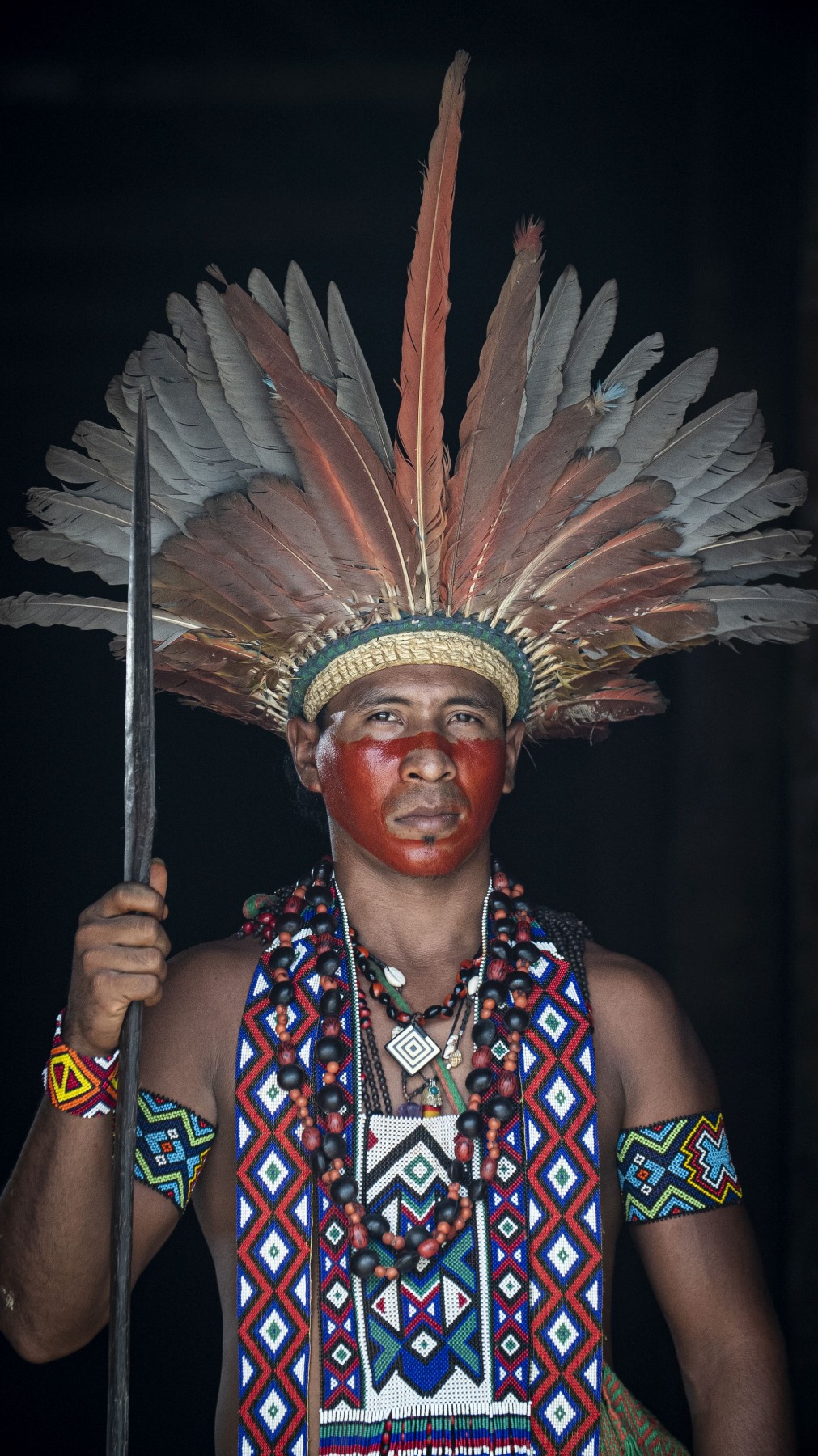
El spirit realment regained el seu strength el 2006 o el 2007, i sense temps que el meu wife, Vari, i ell beguen walking aquesta path, ayahuasca has dit que remember les tribe's traditions, moltes de les quals havien dit. Incloent la nostra llengua, les songs, els nostres symbols… El 2008 es troba aquesta llarga cerimonial (called a malaca ) i cultural centre, que all of the tribes living a l'Acre state could meet from time to time. And it was at the first of those meetings that we were able to renew molt of the Big Forest nowledge that we hald lost when the history of our tribe was disrupted. I remember when I i altres representatives del nostre tribe opened the meeting, al which people fourteen different tribes had gathered, we had nothing to show thethers of our own culture. Only fifteen people from el tribe had ever drunk ayahuasca before, but I wasn't worried, because I knew that this was only the beginning.
Nou, twelve years later, most de tribe és involved in the process. Every Saturday a un gran cerimònia té lloc a la vila, i les seves draws moren than a hundred people – dels nostres tribe i also people de la zona. I amb totes les cerimònies ens strengthened en el nostre progrés i desenvolupament. Both spiritually and socially. Nou we have our own songs in our own language. We've evolved greatly, and over time we've learned immensely sobre la nostra land, la nostra història, plants i les seves medicinals properties. Kasiki, who is the village chief, and Ire the main drivers of this process. Through ayahuasca we've gained greater strength, security and conviction. Moreover, we can share this knowledge with others. I have no doubt that ayahuasca can help save the planet. Però, don't think every ayahuasca és capable of doing so. It has to have the proper direction and goal.
What is ayahuasca? Altres than a combinació de dues plantes: a vi i chacruna leaves.
Per mi, ayahuasca és un gran teachers – en defensa i protecció, en el guiatge de la investigació, en understanding, en wisdom. It és path on which one can learn knowledge of ancestors, knowledge of the world as whole.
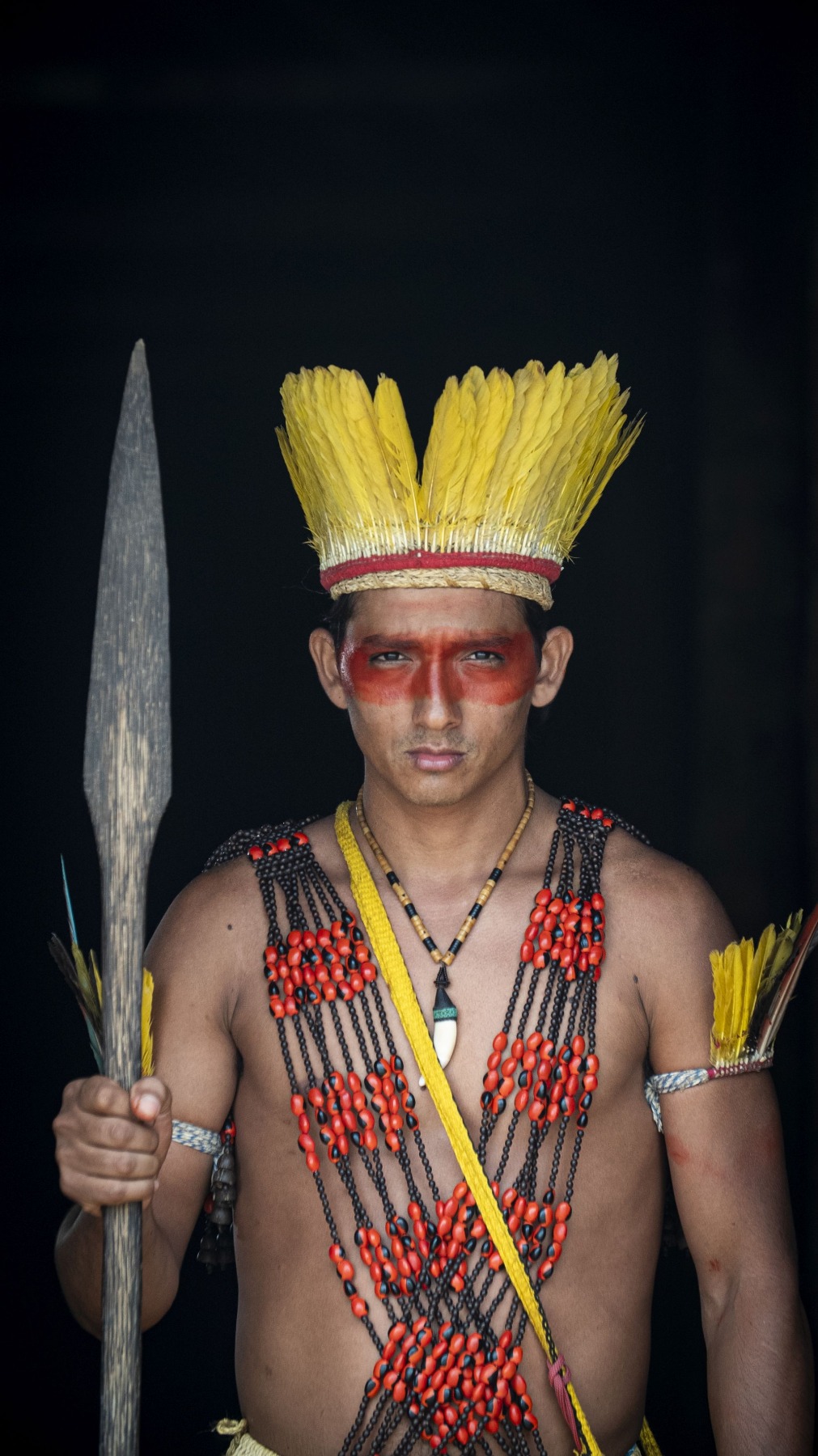
Why was it banned, and why is it still banned?
In the past, ayahuasca was banned because it was a part of our culture. Back then, absolutament everything linked to our culture was banned, including ayahuasca. Nowadays, I think it's banned because the people que implementen this ban and continue to enforce it don't actually know what ayahuasca is. So, it's banned du to a lack of knowledge.
Would you have been able per retornar a les nostres tradicions, a les nostres heritage culturals, sense help of ayahuasca?
Maybe, però en cas que s'hagi fet molts longer process. Many, many, many years. Because there are certain things you can get only through ayahuasca. Per exemple, la seva spirituality és molt closely linked a ayahuasca, però és possible que el ayahuasca és necessari per a la resta d'un tribe cultural cultural. Although these two entities – cultura i spirituality – might seem like the same thing, they're actually not. Culture és found in songs, drawings and artwork, danses, food. It's a part of everyday life, an integral part of everyday life. Culture is in the family, però spirituality is something you consciously need to work at.
What is spirituality?
For me, spirituality means knowing our ancestors' teachers, knowing the antics symbols that have protective powers and so on. Per exemple, l'source de tribe de spirituality és remains en el país on el tribe ha originat. The people que visita aquest lloc can obtain aquest spiritual heritage – té can get it from the place where this knowledge originated. When I drink ayahuasca, I also see how and in what kinds of houses i ancestors lived. I can picture this whole process that my tribe has gone through in order to arriba a this moment – five generations already. Però course, són els companys que donin't drink ayahuasca, i es poden veure les visions, too. But it's molt harder.
Undeniably, one can also arriba a this special state without the help of plants. It can be done through meditation. I mean, mitjançant la meditació que s'aporta a un alt nivell de spirituality com a can ayahuasca. In various cultures you can find various plants that have this power – so-called “master plants” – to take you to this special world.
Do you believe that ayahuasca és itself a spirit, or is it a drink que connects you with the spirit.
It's both. It's a spirit that helps you to connect.
Do you think plants have kind of intelligence? A partir d'allò, com vaig donar els tribals ancestors durant uns quants dies, que les 30.000 plantes es mouen a l'Amazon rainforest, precisament aquestes dues plantes necessiten combinar?
El ayahuasca vaig venir a la planta que té power, while the chacruna és la planta que ha fet light. Per tot arreu, teniu dret a l'abast que arribi a la llum. Aquests són very many legends sobre els origins de ayahuasca; each tribe has its own legend. Some say that ayahuasca came from the jiboa (snake, or earth goddess), però no one knows exactly how it happened. There are only various stories.
Aix a trained biologist, do you believe that plants have consciousness?
Plants have consciousness. We are the ones who don't have consciousness. Unfortunately, a les ayahuasca has become more and more popular a l'internacional escala, there more and more people que es trying per a fer aquest drink and pretending – or proclaiming themselves – to be shamans. They add other stuff to drink, and actually they make poison instead of ayahuasca. T'agradaria fer-ho fer ayahuasca here – t's made of only the vine, chacruna leaves and water. Però hi ha diversos detalls de ayahuasca, i ell no pot ser que sigui que s'additional ingredients mixed in are always bad. Però la seva manera de fer-ho és que es pateix que llegeixis a la llum…
Right now, ayahuasca is more popular than ever in the Western world. Some say the plant itself is promoting this popularity, in order to survive. Do you believe that, or is it just a story?
I believe that at moments like this – like what we're experiencing right now, with the world undergoing such major changes – ayahuasca can help people to become more conscious. I think that people who drink ayahuasca in its true land of origin, in the jungle, the can begin to see the stress that nature is experiencing right now. Els resultats de l'estrès són everywhere in the world; There's practically no place on earth that's immune to this stress. Les forest i natura s'han destrossat, però les forest s'engrandeixen. Però quan es destroien, es pot obrir a reborn en el mateix temps que són right now. Maybe they'll be reborn as different kind of people, but not like the humans we are now. Actually, we're the ones who need nature. No t'other way around. Per a aquest coneixement s'utilitza per gaudir d'allò de l'home amb la qual share aquest planeta. Aquest és, la idea de la naturalesa dels mitjans per a tot: les rivers, els plants, els birds i els humans… We cannot live sense oxígen, que és produït per naturalesa.
In recent years, there's been seriós flooding and fires all over the world. All of that's happening because of our malevolent misuse of natural resources. Of course, we can use natural resources, and we need to do so to live, but we have to do so with wisdom and humility.
Right now, our tribe is working on project that focuses on protecting nature and the wise use of natural resources: the forest, water, etc. El nostre objectiu és establir alianças d'altres tribes a tot el món en ordre per no protegir l'Amazona i les fortes però promotar environmental protecció en la global àrea. Of course, planting trees és good thing, però it's molt better to save and no destroy the trees that already exist. Because iu can plant a whole jungle, but it'll t'a llegeix five hundred years for it to mature. So, it's molt wiser to save those trees that have already been here since ancient times. A part d'aquest projecte, ens treballa amb severs altres organitzacions entre el món a l'hora d'help persones reviure les seves illes. Hi ha aquest vell knowledge from els seus ancestors, i tots ells vénen a to also share it with other people – s people que se llegeixen it and take part in this process of sharing. All's need to work together in order to protect the land, the sea, the rivers, the rainforests and our own lives.
Why are so many calamities taking place in the world? In many countries, people have disrupted the biological cycle. Per example, el natural balanç d'insect populations has be disrupted. Però, en les seves concernències per a les seves monocultures, persones han destroiat un tipus d'insecta, les breaks un enllaç en el grup – un altre tipus d'insectat que els altres tipus són gones, i els those remaining insects start attacking people. The industrial world ha poisoned everything, incloent-hi food we eat on a daily basis. It's finally time that we wake up and realise that all of us - men, women, children - are part of the Big Forest.
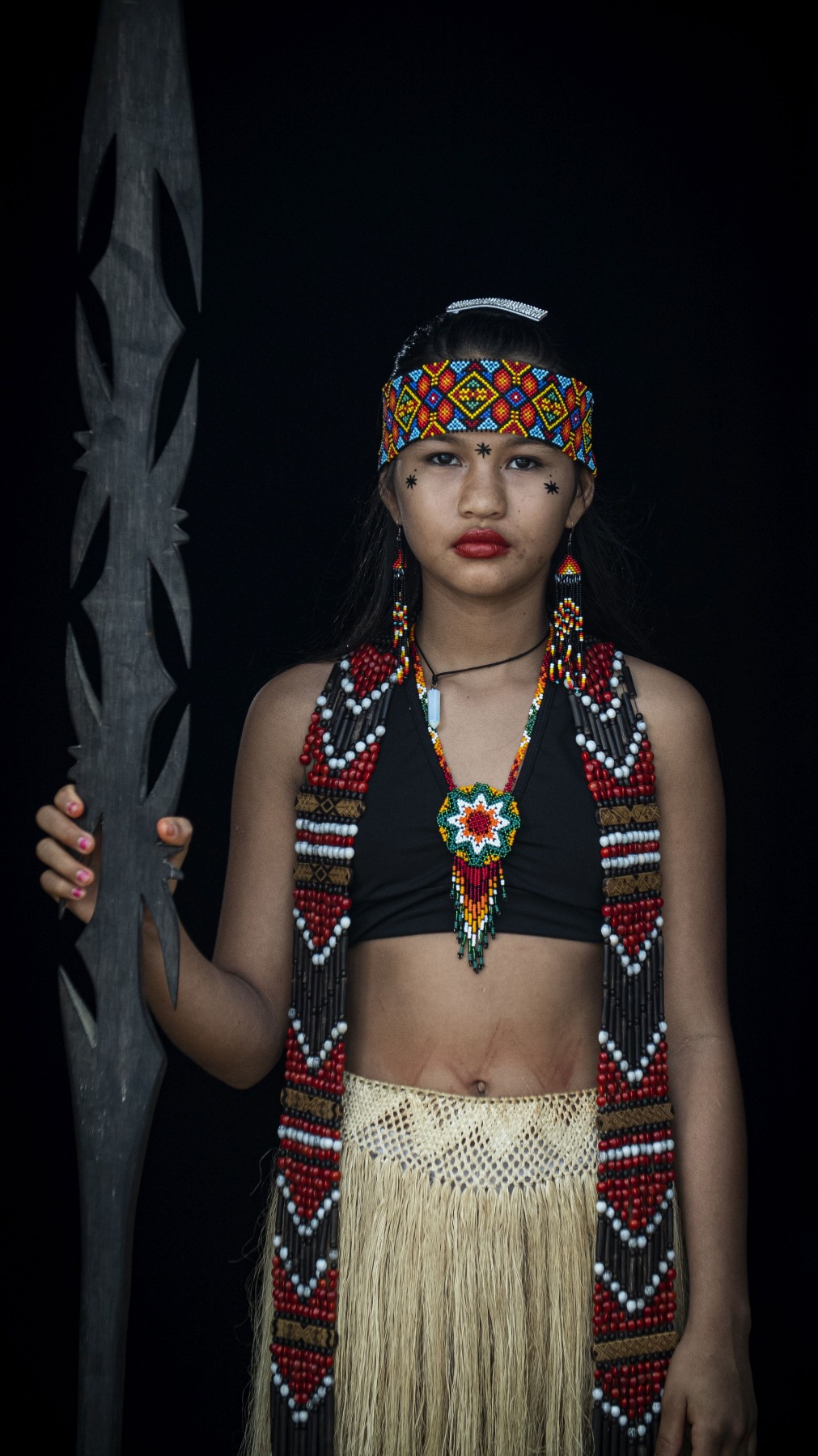
In the past, the Amazon tribes sometimes ruthlessly fought against each other. Now they're united. Has aquest fet influenciat per la política de situació i comuna causa del seu interès per preservar les historiques heritages, tradicions i lands, o és una natural evolutionary process per a tribes?
I think that in the past our battles and also wars regiren around spiritual strength and power. And in a way, “white contact” was the reason why we began to unite. It was the white man who came to destroy us, and later it was the white man who came to help us and support us.
As humans, what is our role in the natural ecosystem as whole? You said that nature does not need us. The why were we born and why do we still exist?
Aquests són dues parts per persona: una de les que es troben a prop d'una de les tears down. We need nature in order that we, as humans, can build a better life for ourselves. Però s'ha fet tot el que és per a tothom, la natura és on només és something to destroy. Un greatest task is to learn to use nature wisely. We are the sons and daughters of the earth. Però most ofereixen feels perquè són here...and nature is over there. Però cal que tingueu una realitat que aquest moment és realment necessari cada persona, naturalesa i us. Nature needs us today – it needs us to help protect it. And, if we do this, we ourselves will live better – protected by the forests and the rivers.
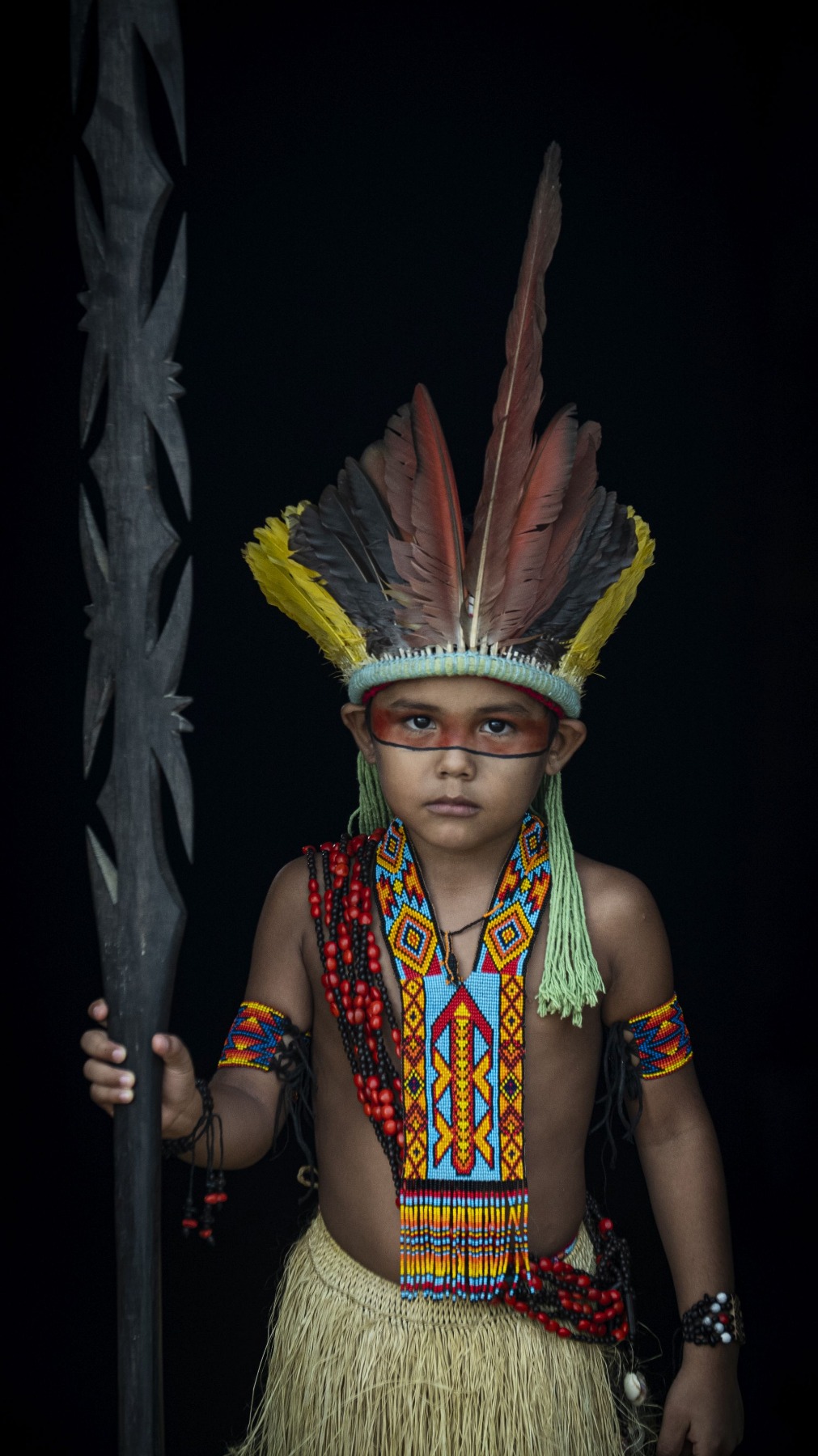
No s'ha dit que el primer cop de natura és just a tot el que et retràs des de la seva manera d'oferir-se a totes les línies?
I think that in many parts del món natural és already doing just that. Nature is very feerce. Per exemple, no és precedent que el present coronavirus beguin a la Xina, una de les countries que ha mostrat ruthlessly exploit les resources naturals naturals. Però no és veritat que s'hagi protegit ourselves. After all, we all wish to live happy lives. Per a ell s'ha fet això és [ Puwe points to the sky, which the setting sun has coloured a strange shade of red. – Ed. ]? It's a sunset that says tomorrow will be a stormy day. Who taught em that? Uns ancestors, because they had good knowledge sobre natural moviment d'aquest planet, i ell veuen per aquest knowledge from them.
Photos by Blat Garcia Verges and Adolf Sanz Monfort
*This interview s Puwe Puyanawa conducted for the upcoming Arterritory.com publication Arterritory Conversations: Detox and Healing for the Planet, el qual es publicat en Maig this year.